Hotels today are facing multiple challenges – competitive market, changing market scenarios, shrinking margins, higher customer expectations, need for adopting new technologies within limited budgets, among other things. Although hotels are constantly trying to dynamically adapt to these changes to keep themselves up-to-date whilst delivering the best experience to their guests, reluctance to adopting the latest technologies still prevails which in turn is not only hindering them from achieving greater successes in their businesses but also limiting the performance and productivity of their staff members.
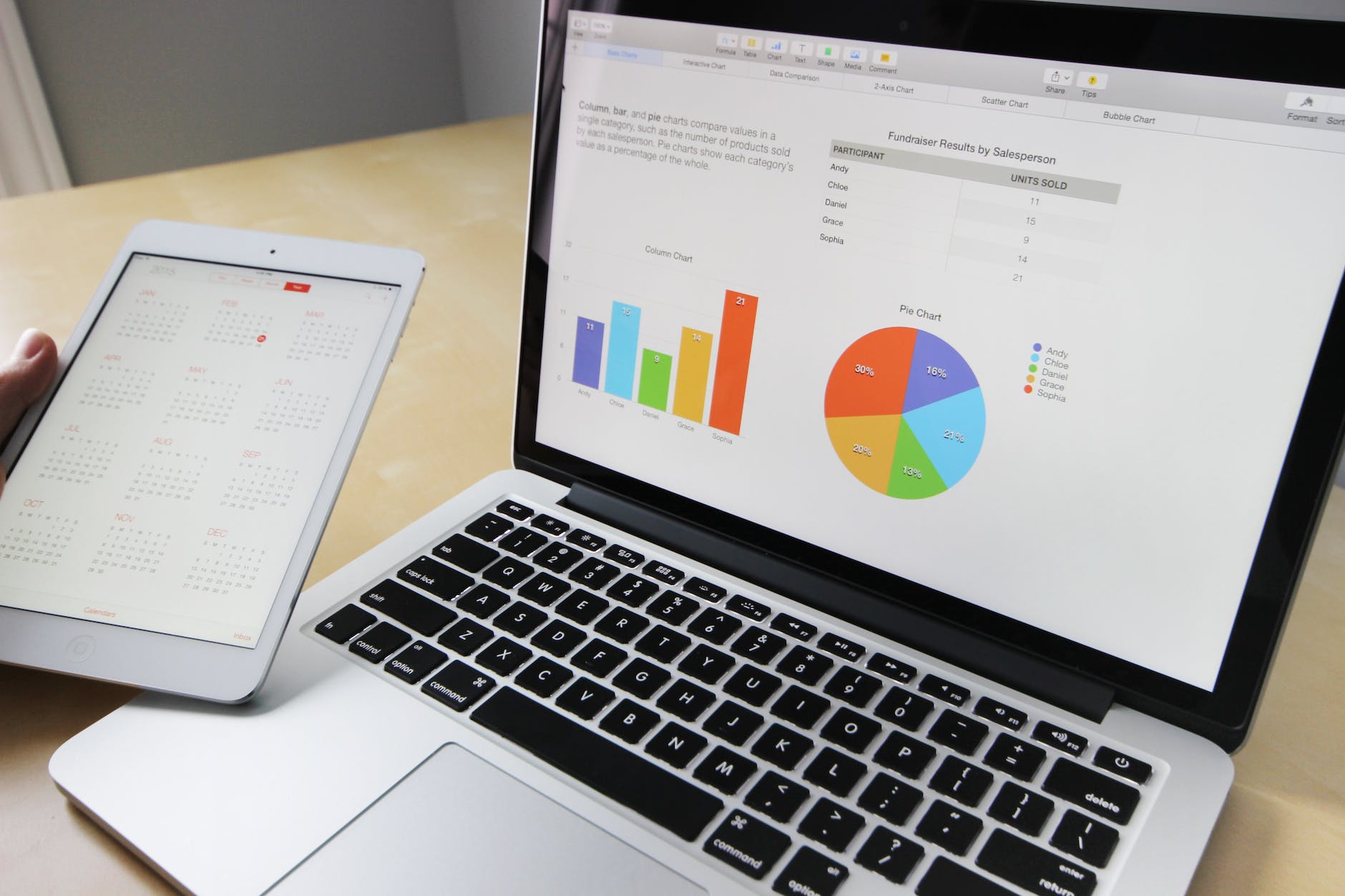
Along with the use of advanced technologies for business operations, the success of hotels depends equally on the performance and productivity of their staff members. Thus, it is imperative for hotels to embrace advanced technologies and tools in day-to-day work, and make them available to their staff to help them perform their tasks more effectively and efficiently, improve overall work quality, and deliver exceptional experience to the guests, leading to higher guest satisfaction and achieving the hotel’s goals and objectives. Staff productivity optimization can be looked at from a People-Process-Technology framework perspective.
Broadly, this framework can be outlined along the following:
People and Organization
To start with, it is important to hire the right person for the right role. This entails several aspects, such as hiring candidates with the right attitude and skill-set required for the role and fitment with the team and the overall culture of the organization.
It is essential to communicate long-term, mid-term, and short-term goals, vision, and objectives of the organization to the staff so that they get a sense of the bigger picture and feel more engaged to come up with innovative ideas and work collaboratively towards the success of the organization. Individual performance KRAs, targets, and objectives also need to be aligned with organizational goals and objectives.
From an organizational culture perspective, it has been seen that an environment of mutual trust and collaboration reinforced by the company’s management and HR policies drives all-around better performance and productivity of staff. Elements of this include balanced performance metrics, rewards and recognition, objective promotion criteria and career growth etc.
Technology and Process
Given the rapid pace of changes in the travel and hospitality industry, investing in technology for streamlining and automation of processes for ease of work and productivity improvement is critical for success – both for the organization as well as for the employee. Various tools, systems, and apps can help accelerate existing operations and also redesign key functions such as planning, tracking, and managing business processes in the evolving landscape of the travel and hospitality Industry. For example, Revenue Management tools can help in forecasting,
budgeting, strategy development and revenue optimization, and comp-set analysis. Reporting and Enterprise CRM tools can provide in-depth data to hoteliers to analyze and track the performance of their staff and take corrective actions. Other key tools that can be adopted to improve staff productivity include guest CRMs, distribution platforms, digital marketing tools etc.
In addition to business applications and tools, providing ongoing and regular trainings covering technical, functional, and soft skills goes a long way in improving productivity and performance which leads to better business outcomes for the hotel and its guests.

